
Entertainment / Events
Renowned Sounds
Ongoing maintenance and SEO for a DJ and entertainment company whose bookings start with a Google search.
Read the case studyWebsite Maintenance
Website maintenance is a monthly arrangement that keeps a live site secure, current, and working: security patches and dependency updates, off-site backups, uptime and error monitoring, performance checks, and a set amount of hands-on time each month for content edits and small changes. It covers sites built on modern frameworks like Next.js as well as Shopify stores and older platforms, and it does not require that we built the site in the first place. The point is that someone is responsible for the site between projects, instead of nobody noticing until it breaks.
Fit
The site launched, the project ended, and since then no one has been responsible for it. Nothing has gone wrong yet, which is exactly the right moment to put maintenance in place.
When orders, reservations, or ticket sales run through the site, an outage or a silently broken checkout is lost revenue for every hour it goes unnoticed. Monitoring earns its keep here.
A township page, a venue calendar, a restaurant ordering link. Around Kalamazoo those are what residents check first, and stale hours or a dead form turn straight into phone calls.
You did not choose the platform, you have no documentation, and you are nervous about touching anything. The audit that starts every plan exists to replace that uncertainty with a written picture.
Why it matters
Deliverables
Process
STEP 01
We take inventory of the hosting, domain, registrar, DNS, code repository, dependency versions, backups, forms, and analytics. You get a plain-language summary of the site’s condition and anything that needs attention before routine care makes sense.
STEP 02
Urgent problems get fixed first. Backups begin running off-site, uptime and error monitoring go live, and out-of-date dependencies are brought current on a preview deployment before any of it touches production.
STEP 03
Every month follows the same rhythm: apply and test updates on preview, check performance and Core Web Vitals, verify forms and integrations still deliver, then work through your queue of content edits and small changes.
STEP 04
You get a short written summary of what was updated, changed, and flagged. Anything larger than routine maintenance is raised early with an estimate, so improvements get planned deliberately rather than discovered during an outage.
Stack
Onboarding an existing site — audit, access, backups, monitoring — typically takes one to two weeks before the plan settles into its monthly rhythm. Routine content edits are usually turned around within a few business days, and urgent problems such as a site being down or a checkout failing are picked up ahead of everything else in the queue. Sites that arrive years behind on updates often need a short catch-up period before the monthly cycle can run cleanly.
Maintenance is billed as a flat monthly retainer, set by how the site is built, how often it changes, and how much hands-on time you want included each month. A brochure site on a modern framework sits at the lighter end, while a Shopify store or an application with accounts, payments, and a database needs more attention and is priced accordingly. Plans run month to month, and if the opening audit turns up work that has to happen before routine care is worthwhile, that catch-up is quoted separately so you can decide on it on its own merits.
Proof
Entertainment / Events
Ongoing maintenance and SEO for a DJ and entertainment company whose bookings start with a Google search.
Read the case study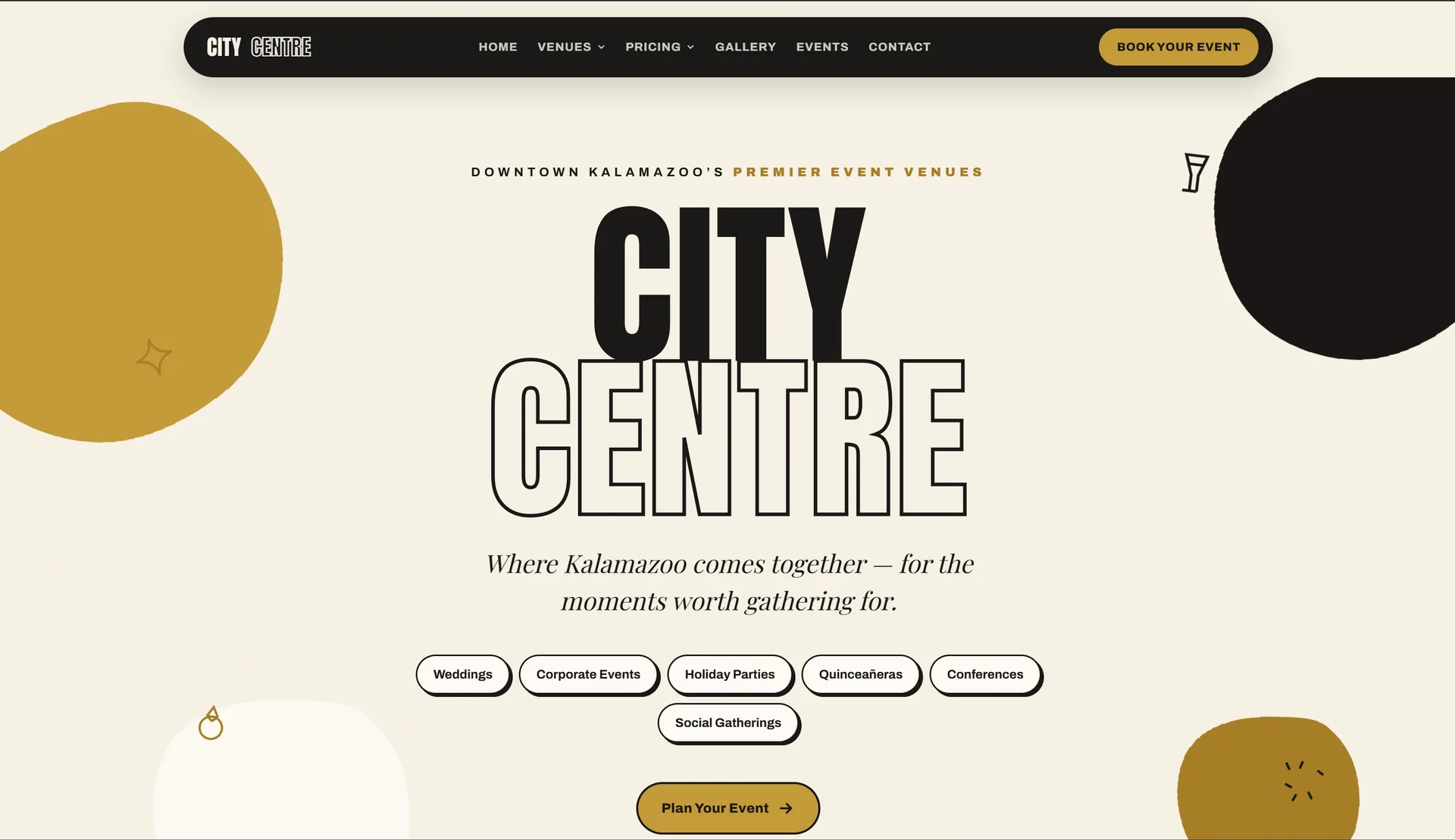
Events / Hospitality
An event venue site with a fast booking flow out front and a full admin dashboard behind it, both running off one shared calendar.
Read the case study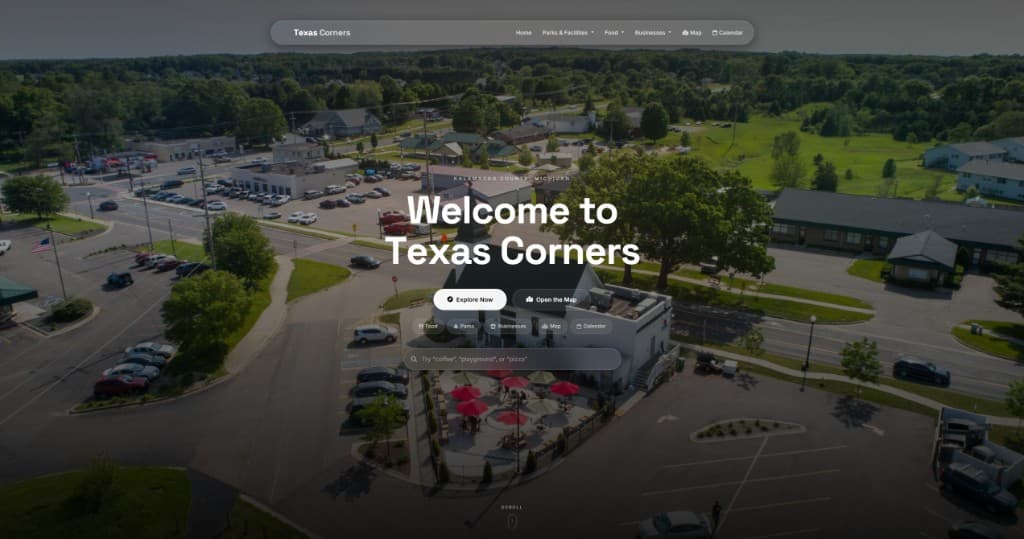
Government / Community
A community site for Texas Corners — an interactive map, a local business directory, and township resources in one place.
Read the case studyFAQ
Last reviewed
Tell us what you are building. We will reply with a scoped proposal — timeline, approach and pricing — so you can decide with real information.